Tumbatu Island Snorkeling
Tours & tickets

Hand-picked by our editors — only the best 5 snorkeling experiences from 12 reviewed.

Open today 08:00–18:00
Attendance: Moderate — summer season
Visibility is excellent, but ensure your tumbatu island diving boat trip is booked via an authorized operator.
Free cancellation Instant confirmation Mobile voucher Verified partner Small group options
Tickets

Choose your ticket

Verified partners for every tour, free cancellation where available, and instant confirmation on every booking.

Tumbatu Island Snorkeling Adventure 3 hr
Standard Entry

Tumbatu Island Snorkeling Adventure

4.2 (57)
€39
per person
Instant Mobile voucher Flexible — change up to 24h

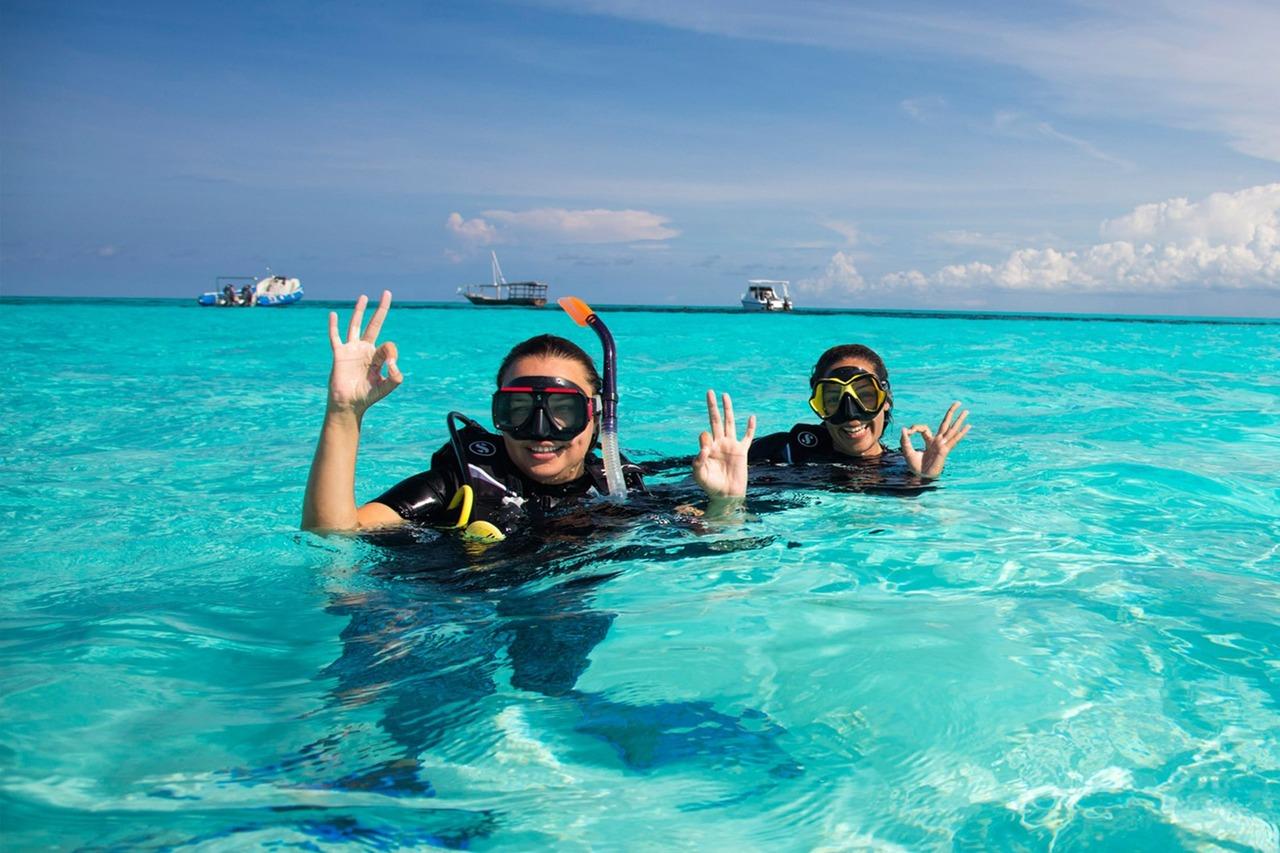
Explore pristine coral reefs and relax on a secluded sandbank during this half-day aquatic escape

Reserve
Mnemba Snorkeling, Dolphin Encounter & Tumbatu Sunset Cruise 6 hr
Guided Experience

Mnemba Snorkeling, Dolphin Encounter & Tumbatu Sunset Cruise

4.6 (13)
€45
per person
Instant Mobile voucher Flexible — change up to 24h

Swim with dolphins, explore vibrant coral reefs at Mnemba Atoll, and watch the sun set over Tumbatu Island

Reserve

Prices from verified partners. Availability updates in real time at checkout. Free cancellation policies apply where shown.

Highlights

What you'll see inside the attraction

The landmarks, rooms, and views travelers on this tour remember — all visible on a single visit.

Mwana wa Mwana

A shallow sloping reef ideal for macro photography, where you can spot seahorses and ghost pipefish among hard corals.

Ras Mskitini

Features beautiful small walls and coral gardens with resident batfish and leaf fish at depths of 3-20 meters.

Shetani Reef

Known for its flourishing coral diversity, this site is a prime example of the pristine ecosystems around Tumbatu Island.

Jongowe Ruins

Historical remnants of an 11th-century Shirazi settlement, showcasing the ancient maritime trade significance of the area.

Baobab Trees

Towering trees over 900 years old that hold deep cultural and spiritual significance for the local Watumbatu people.

Head to head

Tumbatu Island Diving vs Mnemba Atoll Snorkeling: Which Underwater Experience Is Right for You?

They complement each other, though most visitors who do both find Tumbatu Island diving to be the more secluded, tranquil choice compared to the vibrant, high-traffic reefs of Mnemba. These tumbatu island diving tours offer a distinct, low-impact perspective on Zanzibar’s marine ecosystems.

Feature Top pick Tumbatu Island Mnemba Atoll
Coral condition
High traffic impact
Crowd density
High
Marine life variety
High pelagic frequency
Boat trip duration
45–60 minutes
Exclusivity
Low
Accessibility from Nungwi
Standard boat route

Verdict: Choose Tumbatu for quiet, reef-focused exploration or opt for Mnemba when seeking diverse pelagic species on these popular tumbatu island diving tickets, which are easily managed with a standard tumbatu island diving tour.

How your ticket works

Book your ticket in 3 steps

  1. 01

    Book online

    Choose your ticket, select your date, and reserve in under two minutes. Secure checkout handled by our verified partner.

  2. 02

    Receive your mobile voucher

    Instant confirmation by email, with a mobile voucher you can save offline. No printing, no queuing at a collection desk.

  3. 03

    Show & enter

    Arrive at the entrance, show your voucher on your phone, and walk in. Most tickets include priority or skip-the-line access.

Plan your visit

Everything you need to know before you go

Practical details for your visit straight from our verified partners — hours, access, rules, and how to get there.

Open today · 08:00–18:00
Opening Hours
08:00–18:00 daily
Address
Tumbatu Island, Zanzibar, Tanzania
Entry Status
Requires local guide and elder permission
Best Arrival
08:00–11:00
Geography
3rd largest island in archipelago
Mon
08:00–18:00
Tue
08:00–18:00
Wed
08:00–18:00
Thu
08:00–18:00
Fri
08:00–18:00
Sat
08:00–18:00
Sun
08:00–18:00
Location

Address
Tumbatu Island, Zanzibar, Tanzania
Geography
3rd largest island in archipelago

Dress code

Visitors must respect local Islamic customs on Tumbatu Island. Both men and women should wear modest clothing covering shoulders and knees; women are requested to wear a khanga or scarf to cover their hair when on the island.

Bags & security

Keep belongings minimal. Since tumbatu island diving boat excursions often require wading through shallow water, use waterproof bags to protect cameras and electronics.

Photography

Always ask for explicit permission before photographing local residents. Avoid drone use, as it may be viewed as intrusive to the community.

Accessibility

The island has no vehicles or electricity, with transport mainly by foot or bicycle. Boat access for tumbatu island diving requires wading through knee-deep water.

Mobile phones

Mobile reception is limited in remote coastal areas. Use your phone primarily for photography, ensuring you have permission from locals.

What to bring

  • Waterproof shoes
  • Modest clothing
  • Sunscreen
  • Towel
  • Hat
  • Underwater camera
  • Local currency for tips

Not allowed

  • Beachwear
  • Shoulder-free T-shirts
  • Drones
  • Alcohol
  • Loud speakers
  • Single-use plastics
  • Non-biodegradable sunscreen
  • Harpoons
  • Spearguns

Families & strollers

Families are welcome, though tumbatu island diving requires children to be age 12+ for scuba activities. Younger children can enjoy shallower snorkeling trips.

Food & drink

There are no public cafes on the island. Most tumbatu island diving tour packages include water and light refreshments, and some include a traditional seafood lunch.

Pets

Pets are not allowed on the island due to strict community and cultural regulations.

Good to know

Ensure your tumbatu island diving tour is pre-arranged through a reputable Zanzibar operator to clear the necessary permissions with local sheha leaders.

Around your visit

Everything else worth knowing

Best time to go, insider tips, nearby landmarks, and the cancellation fine print — flip through to skim what matters to you.

Cancellation policy

Flexible, no hidden fees.

Full refunds are typically issued for tumbatu island diving tours canceled at least 48 hours in advance. Please note that the entrance fee is 0 USD, though local community contributions or compensation for guides may apply.

About

The place, in context

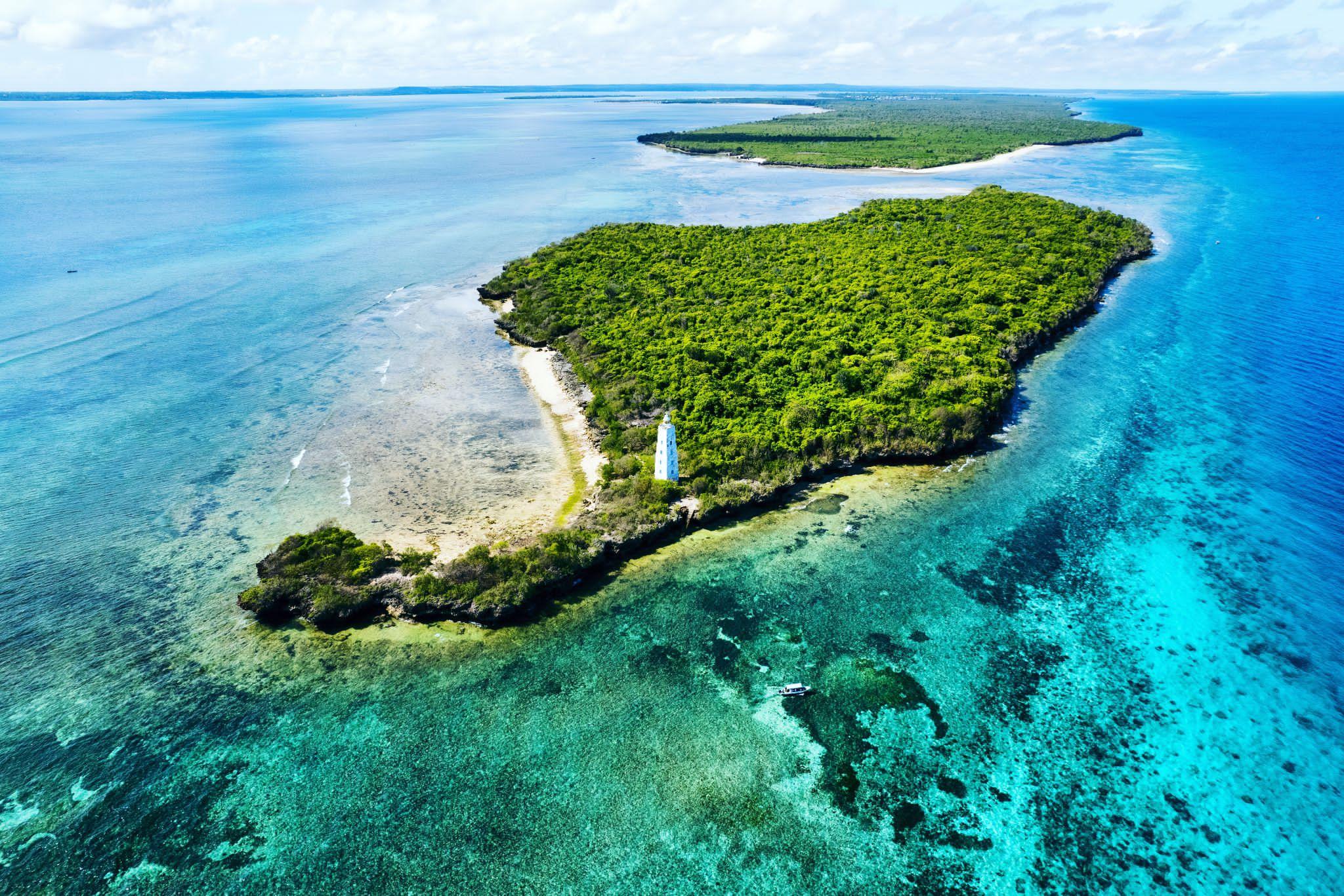
Tumbatu Island floats six nautical miles northwest of Zanzibar's Nungwi peninsula, separated from Unguja by the Pemba Channel's swift currents. Those currents funnel nutrient-rich water across shallow reefs that ring the island's western and southern flanks, sustaining hard coral coverage rare along the main Zanzibar coast. Visibility averages fifteen to twenty-five meters year-round, reaching thirty meters during the November-to-March northeast monsoon. The reefs drop from three meters to vertical walls at twelve meters, creating tiered habitats for parrotfish, trumpetfish, and moray eels. Tumbatu remains one of Zanzibar's least-visited inhabited islands. Roughly three thousand residents occupy five villages on the eastern shore, where dhow-building traditions stretch back four centuries. The western reefs see minimal fishing pressure, protected by local custom and the island's geographic isolation. Morning boat departures from Kendwa or Nungwi take forty to sixty minutes depending on sea state, timing arrivals to coincide with slack tide when currents ease and sediment settles. Spinner dolphins patrol the channel between Tumbatu and the main island, often visible in pods of twenty to fifty individuals. Encounters occur most reliably between eight and ten in the morning, when the animals move inshore to rest after nocturnal offshore feeding. Snorkelers observe from the surface while dolphins circle below, sometimes approaching within five meters. The same morning window offers the calmest sea conditions for reef snorkeling, before afternoon winds roughen the channel crossing. Tumbatu island diving attracts visitors seeking alternatives to the crowded Mnemba Atoll five kilometers south. The reefs here receive a fraction of Mnemba's daily traffic, though coral diversity is comparable. Staghorn and table corals dominate the shallows, giving way to brain corals and sea fans on deeper slopes. Seasonal upwellings between June and September bring cooler water and reduced visibility but higher concentrations of pelagic species. Operators combine reef snorkeling with dolphin searches and, increasingly, sunset dhow returns that add three to four hours to the standard half-day itinerary.

"The western reefs see minimal fishing pressure, protected by local custom and the island's geographic isolation."
Your experience

What a tour day looks like

A step-by-step walkthrough of the visit — what you'll see, how long each stage takes, and the details that matter.

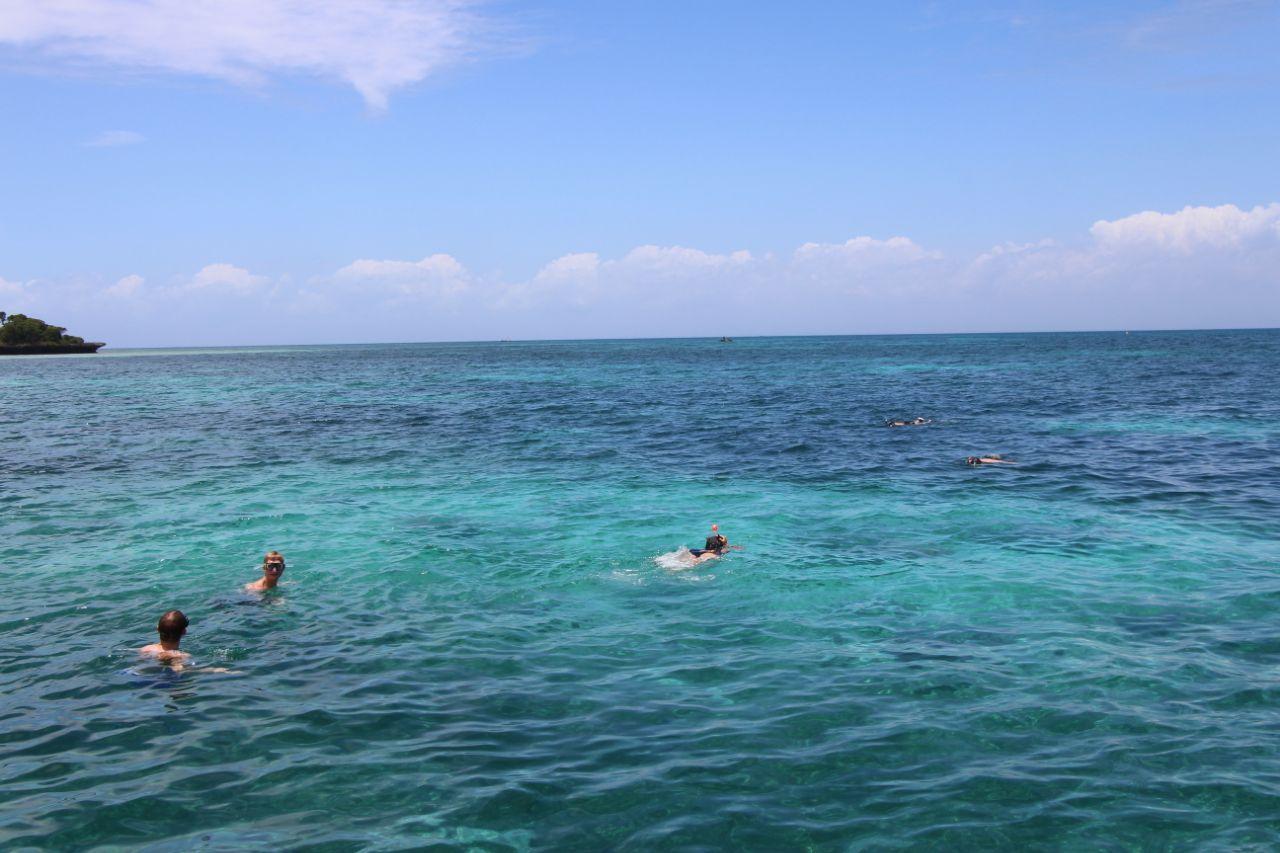
You board a traditional dhow or fiberglass speedboat at Kendwa Beach shortly after eight, departing as the tide begins to ebb. The crossing takes fifty minutes, Tumbatu's low silhouette emerging from the northwest horizon as you clear the reef shelf. Your guide scans for spinner dolphins along the channel's deepest section, cutting the engine when a pod surfaces two hundred meters ahead. You slip into the water with mask and fins, floating while the dolphins spiral below in coordinated arcs. The boat repositions to the island's southwestern corner, anchoring in four meters over a coral plateau. You descend through warm, gin-clear water to fields of staghorn and elkhorn coral, their branches sheltering damselfish and juvenile grouper. A hawksbill turtle browses algae on a table coral ten meters to your right. Your guide points out a camouflaged scorpionfish, motionless against encrusted rock. You drift with the mild current along the reef's outer edge, where the bottom falls away to sand at twelve meters. Parrotfish crunch coral with audible scrapes. After forty minutes you climb back aboard, salt drying on your skin as the dhow tacks toward Zanzibar, Tumbatu shrinking astern.

Frequently asked

Frequently asked questions about tumbatu island diving tours

What are the opening hours for tumbatu island diving?

Tumbatu Island is accessible daily from 08:00–18:00, though boat departures are tide-dependent.

Is a permit needed for tumbatu island diving tours?

Yes, you must have a local guide and authorization from village elders to participate in any tumbatu island diving excursion.

Can I book tumbatu island diving tickets on-site?

No, you must book your tumbatu island diving tour through a licensed operator in Nungwi or Kendwa in advance.

What is the dress code for tumbatu island diving?

Visitors must cover shoulders and knees and wear a khanga, as Tumbatu Island is a conservative community.

How deep are the dive sites for tumbatu island diving?

Most sites, like Mwana wa Mwana, range between 3 and 20 meters deep, perfect for beginners and intermediate divers.

Are there age limits for tumbatu island diving?

For scuba activities, participants generally must be 12+ years old, though younger children may join snorkeling sessions.

Do I need to be a certified diver for tumbatu island diving?

Not necessarily, as many operators offer Discover Scuba experiences and snorkeling options for those without a formal diving certification.

What marine life can I see during tumbatu island diving?

Divers often see turtles, leaf fish, seahorses, octopuses, and vibrant hard coral gardens.

What is the best arrival time for tumbatu island diving?

Arriving between 08:00–11:00 is recommended for the best water visibility and calmer sea conditions for your boat trip.

Can I combine my trip with other Zanzibar landmarks?

Yes, you can visit the ancient 11th-century Shirazi ruins, though they are strictly preserved and require a guide.