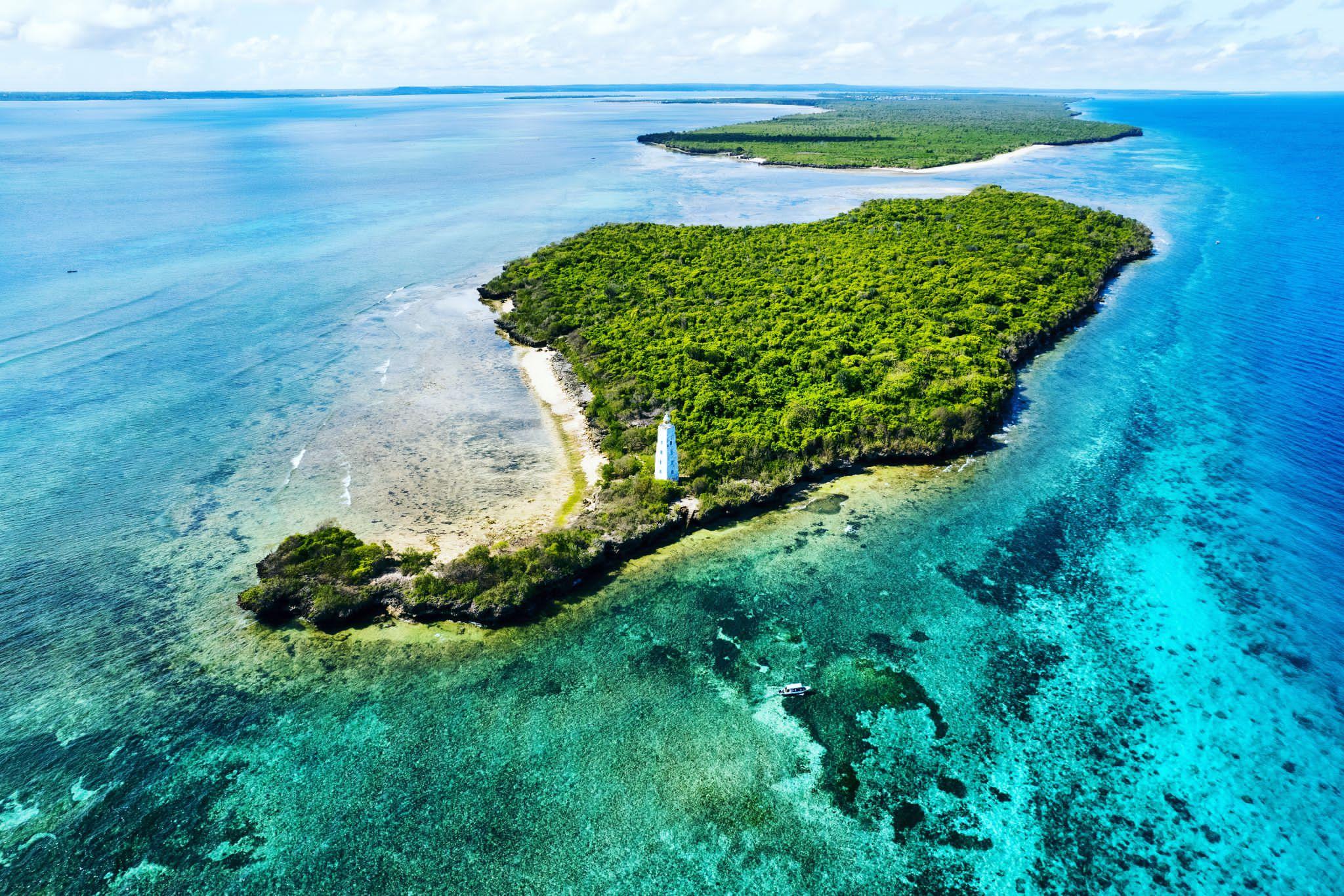
Tumbatu Island Snorkeling
#4 of 88 in Tumbatu Island
Official tickets & experiences

Tumbatu Island Snorkeling

Shallow reefs teeming with life, traditional dhow access

Hand-picked by our editors — only the best 5 snorkeling experiences from 18 reviewed.

4.9 (2,400) 11K+ travelers chose this
Open today 08:00–17:00
Attendance: Moderate
Low tide provides better visibility and access to shallow coral reefs.
Free cancellation Instant confirmation Mobile voucher Verified partner Skip-the-line
Tickets

Choose your Tumbatu Island Snorkeling tickets

Verified partners for Tumbatu Island Snorkeling tours, free cancellation where available, and instant confirmation on every booking.

Tumbatu Island Snorkeling Adventure 3 hr
Standard Entry

Tumbatu Island Snorkeling Adventure

4.2 (57)
$45
per person
Instant Mobile voucher Flexible — change up to 24h

Explore vibrant coral reefs and pristine sandbars on a half-day aquatic escape from Kendwa or Nungwi

Reserve
Mnemba Snorkeling, Dolphin Encounter & Tumbatu Sunset Experience 6 hr
Guided Experience

Mnemba Snorkeling, Dolphin Encounter & Tumbatu Sunset Experience

4.6 (13)
$53
per person
Instant Mobile voucher Flexible — change up to 24h

Swim with dolphins, explore vibrant reefs at Mnemba Atoll, visit a starfish sandbank, and watch the sun set over Tumbatu Island.

Reserve

Prices from verified partners. Availability updates in real time at checkout. Free cancellation policies apply where shown.

Duration
3-4 hours
Languages
English, Swahili
Group size
Maximum 12 participants
Cancellation
Free cancellation 24 hours
What you'll do

Inside a Tumbatu Island Snorkeling tour, step by step

  1. 01 30m

    Departure

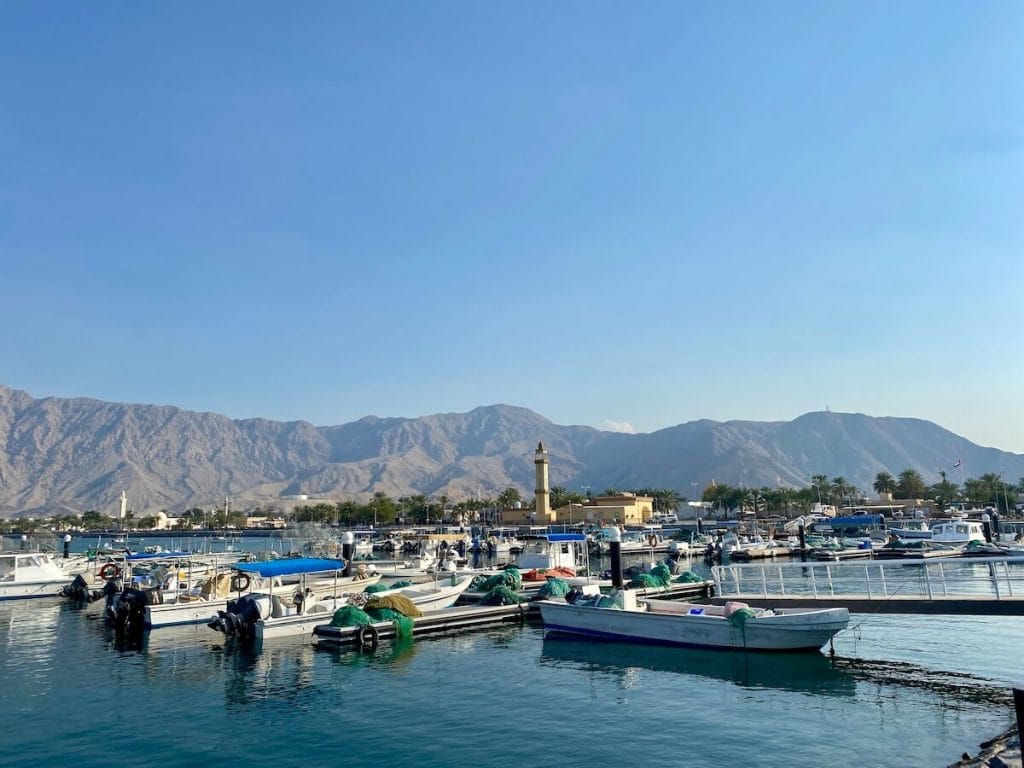
    Board boat from Nungwi or Kendwa harbor

  2. 02 1h 30m

    Reef Exploration

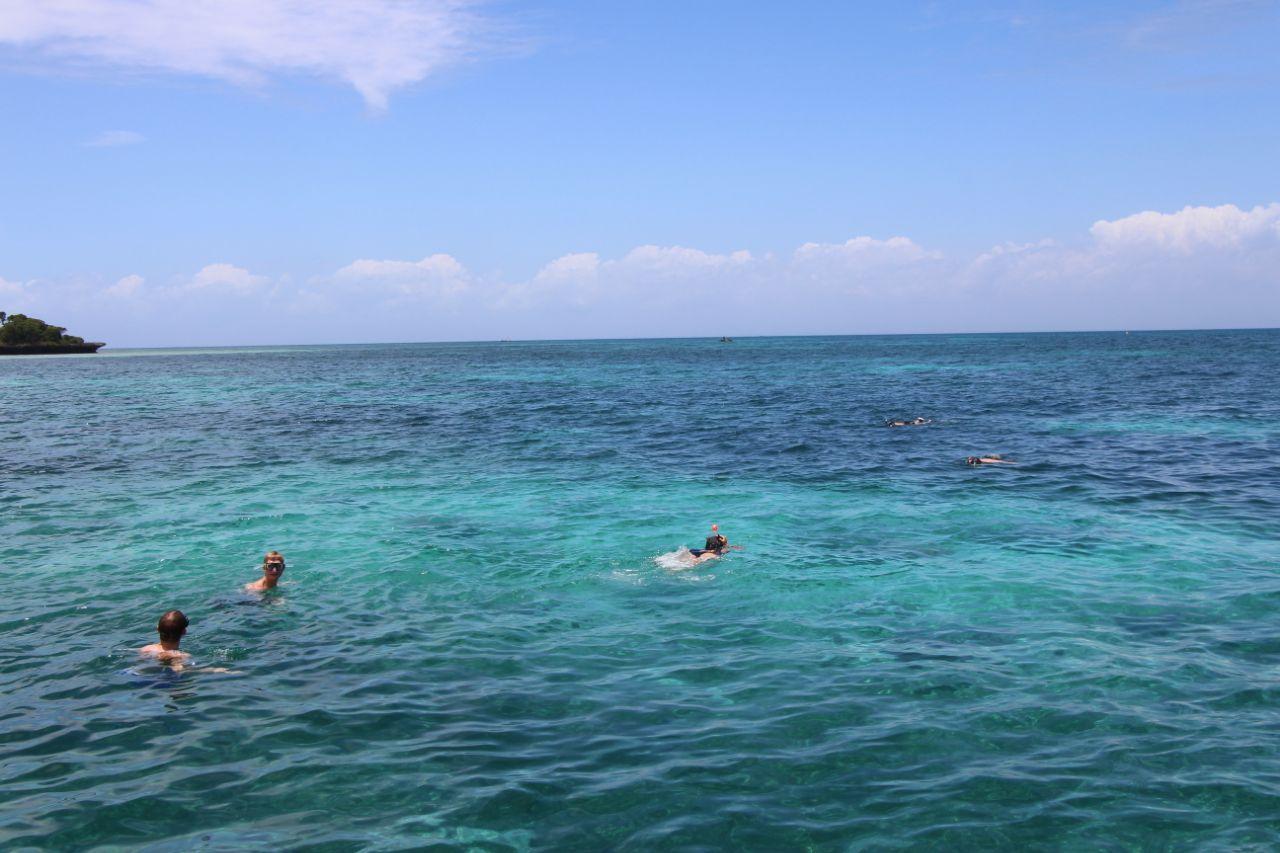
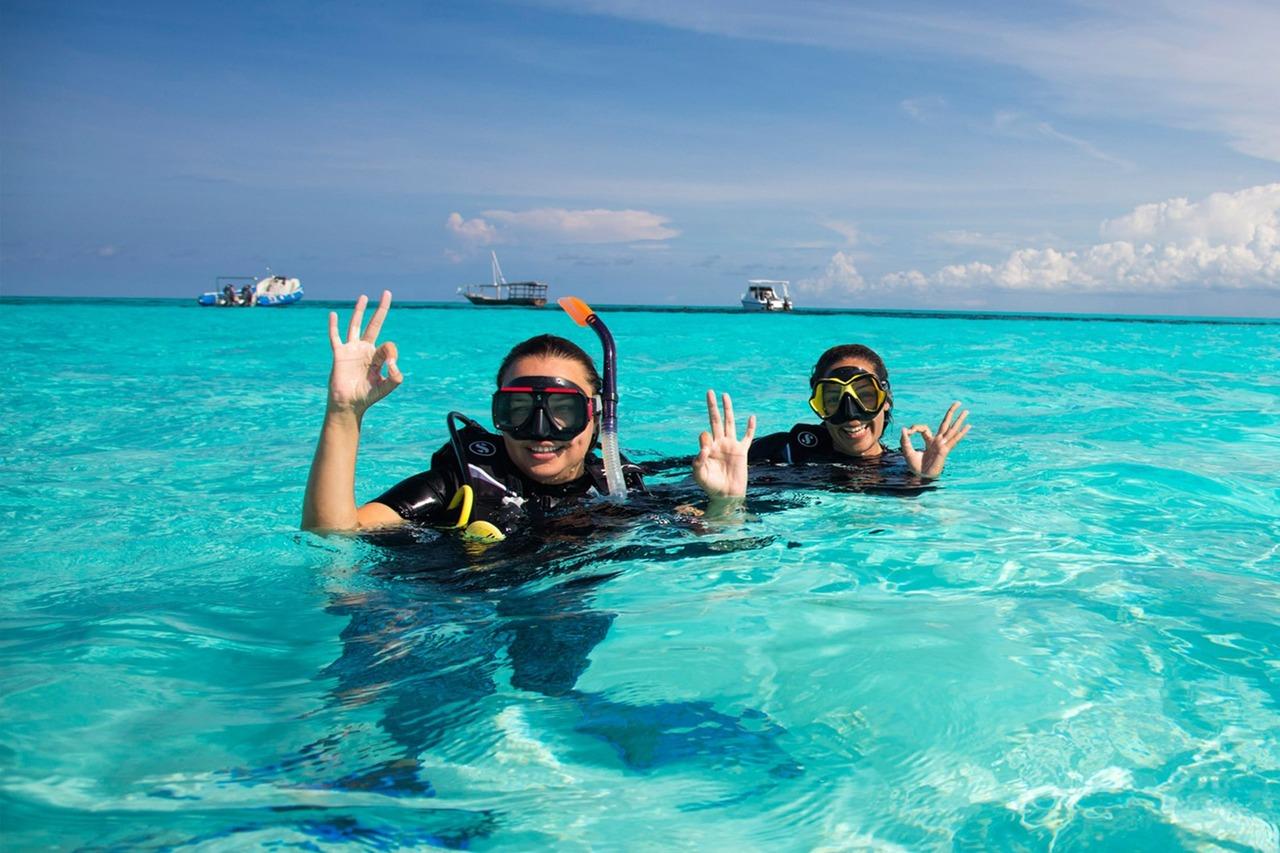
    Snorkel above vibrant coral gardens during low tide

  3. 03 1h

    Island Visit

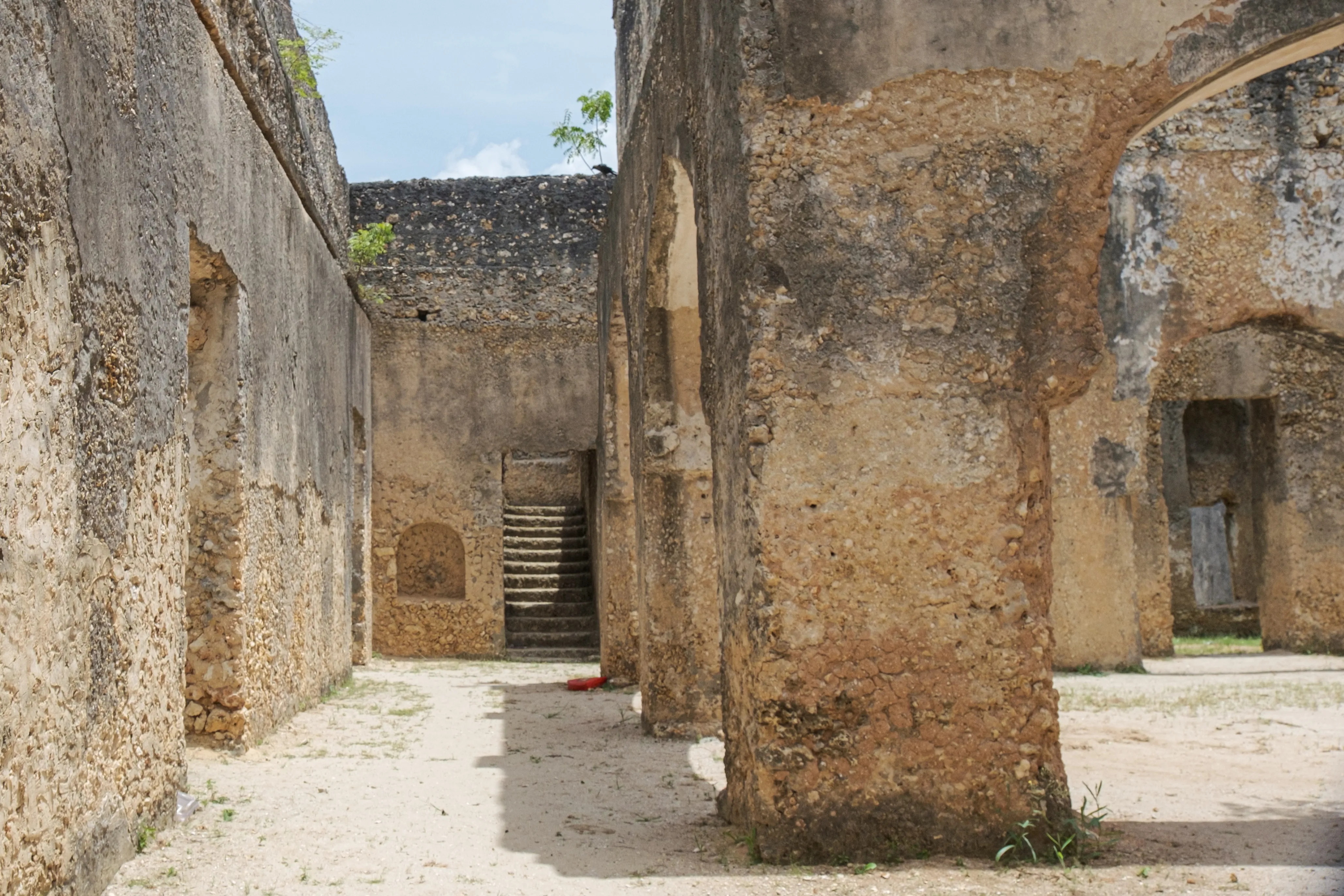
    Guided walk through Jongowe village and historical ruins

  4. 04 30m

    Return

    Boat journey back to the mainland

Highlights

What you'll see inside Tumbatu Island Snorkeling

The landmarks, rooms, and views travelers on Tumbatu Island Snorkeling tours remember — all visible on a single visit.

Jongowe Shirazi Ruins

Jongowe Shirazi Ruins

Explore the remains of an 11th-century stone city that serves as a testament to the early maritime history of the Zanzibar Archipelago.

Ras Mskitini

Ras Mskitini

Witness the traditional daily life of the Watumbatu community as they construct hand-made fishing boats and repair nets.

West Side Reefs

West Side Reefs

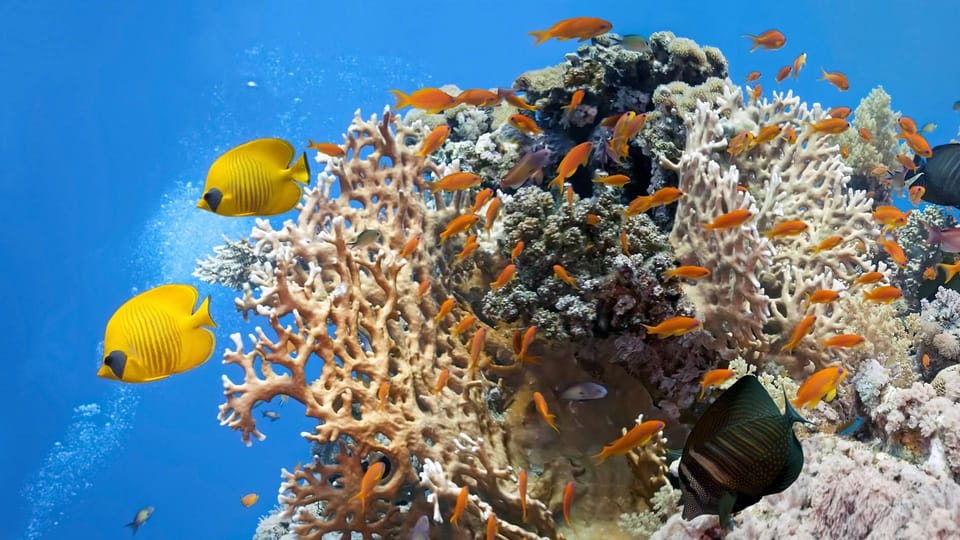
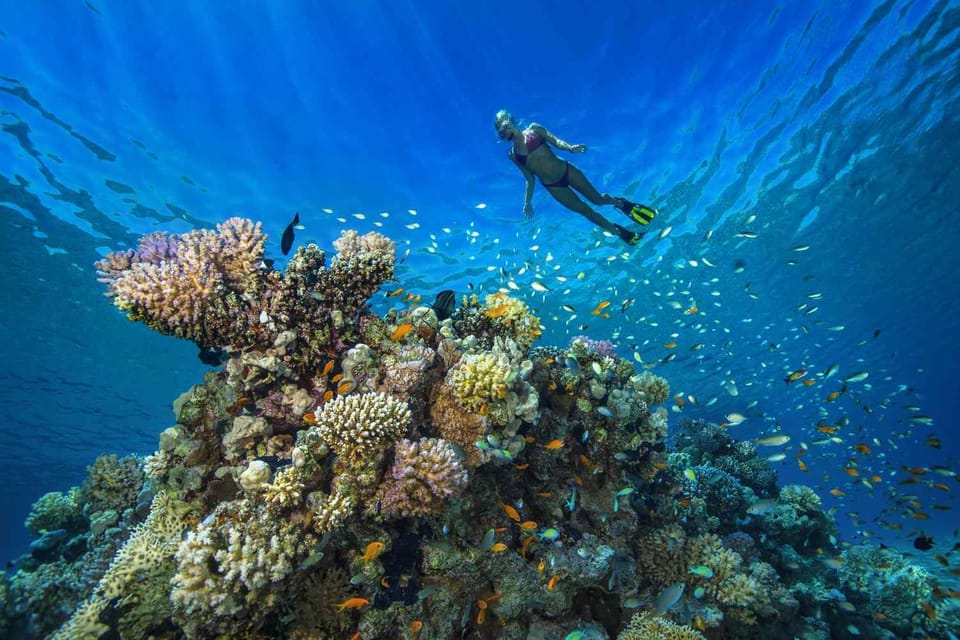
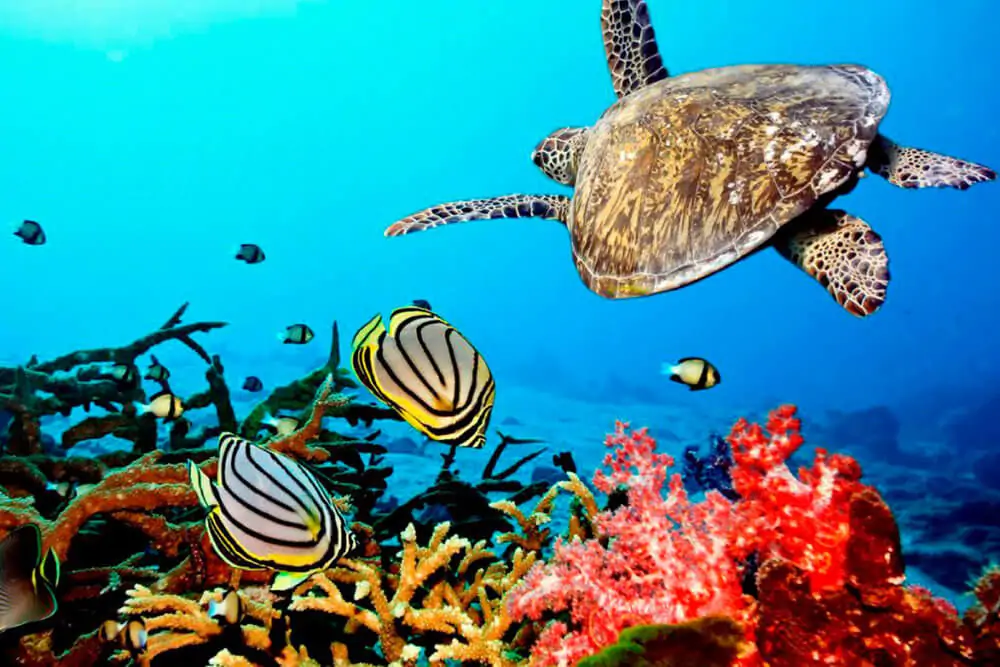
Discover diverse marine life including sea turtles and colorful corals in waters ranging from 3 to 12 meters deep.

Old Baobab Trees

Old Baobab Trees

Visit these massive, centuries-old trees that hold great cultural importance to the local island community.

Compare

Tumbatu Island Snorkeling tickets & tours compared

Every Tumbatu Island Snorkeling tour side-by-side — duration, what's included, how you redeem.

Experience DurationRatingPickupGuideSmall groupFree cancel. Price
Standard Entry
Tumbatu Island Snorkeling Adventure
3 hr★ 4.2 $45 Book →
Guided Experience
Mnemba Snorkeling, Dolphin Encounter & Tumbatu Sunset Experience
6 hr★ 4.6 $53 Book →

All prices from verified partners. Availability and exact terms confirmed at checkout.

Head to head

Tumbatu Island Snorkeling vs Mnemba Atoll: Which Should You Choose?

Tumbatu Island provides a secluded, raw marine experience, whereas Mnemba Atoll offers higher visibility and diverse pelagic encounters; most visitors who prioritize tranquility prefer the former.

Feature Top pick Tumbatu Island Mnemba Atoll
Crowd levels
High and congested
Marine life variety
Dolphins and migratory species
Visibility quality
Consistently high clarity
Primary boat departure point
Muyuni or Nungwi beaches
Atmosphere
Bustling and social
Conservation focus
Strict marine park zone

Verdict: Select tumbatu island snorkeling tours for an exclusive, undisturbed environment, or choose a Mnemba Atoll snorkeling tour if you prioritize maximum water clarity and the chance to see larger marine life.

How your ticket works

Book Tumbatu Island Snorkeling tours in 3 steps

  1. 01

    Book online

    Choose your ticket, select your date, and reserve in under two minutes. Secure checkout handled by our verified partner.

  2. 02

    Receive your mobile voucher

    Instant confirmation by email, with a mobile voucher you can save offline. No printing, no queuing at a collection desk.

  3. 03

    Show & enter

    Arrive at the entrance, show your voucher on your phone, and walk in. Most tickets include priority or skip-the-line access.

Plan your visit

Plan your Tumbatu Island Snorkeling visit

Practical details for Tumbatu Island Snorkeling tickets straight from our verified partners — hours, access, rules, and how to get there.

Open today · 08:00–17:00
Opening hours
08:00–17:00 daily
Address
Tumbatu Island, Zanzibar, Tanzania
Arrival window
08:00–12:00 for optimal reef visibility
Best season
June to October dry season
Storage
Not available at remote island sites
Entry
Conservation and community entry fee: 22 USD per person
Mon
08:00–17:00
Tue
08:00–17:00
Wed
08:00–17:00
Thu
08:00–17:00
Fri
08:00–17:00
Sat
08:00–17:00
Sun
08:00–17:00
Main entrance

Nungwi Beach

Northern Zanzibar coastline

Main departure point for most boat tours

Open in Google Maps
Address
Tumbatu Island, Zanzibar, Tanzania
Storage
Not available at remote island sites
Entry
Conservation and community entry fee: 22 USD per person

How to get there

🚆
Boat · 45 minutes · Included in tour package

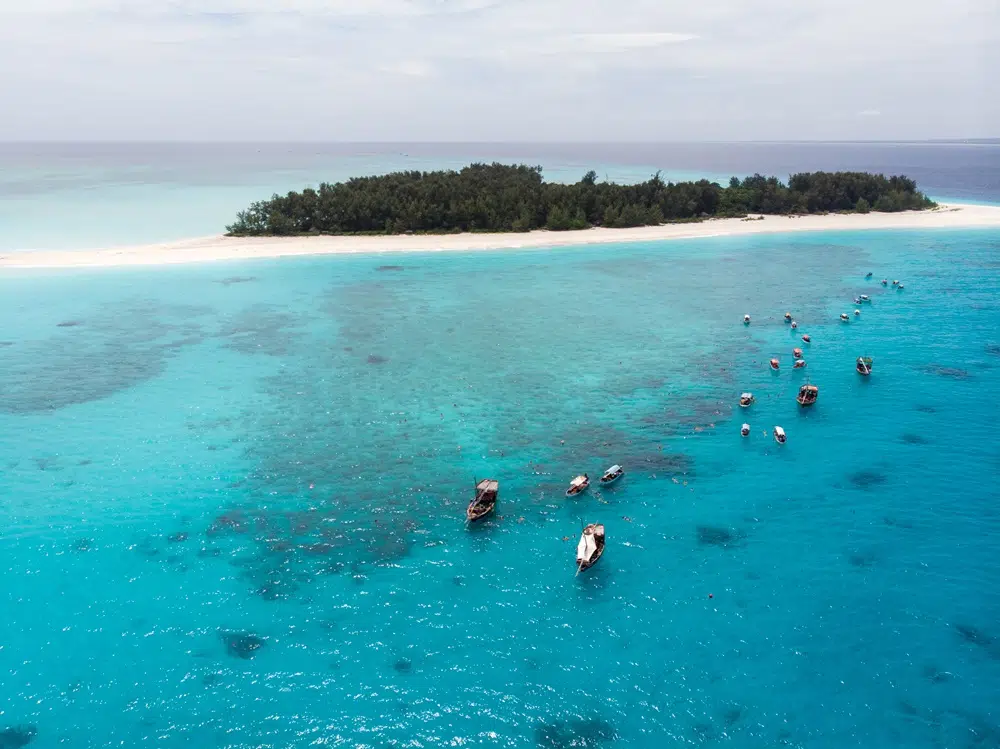
Private or small-group dhows depart from Nungwi or Kendwa, taking 30–45 minutes to reach the island.

🚕
Taxi · 1 hour · Variable

Hire a local driver to reach the northern beaches before your tumbatu island snorkeling tour departure.

Dress code

Visitors must respect local customs by wearing modest clothing covering shoulders and knees. Women are requested to wear a khanga to cover hair when on the island.

Bags & security

Travel light as there is no secure storage on the island. Boats lack lockers, so keep valuables to a minimum and use waterproof dry bags.

Photography

Always ask permission before taking photos of local residents. Drone photography is strictly prohibited to respect the privacy of the Watumbatu community.

Accessibility

Tumbatu island snorkeling requires wading through shallow, sometimes knee-deep water to reach the boat or shore. Participants should be comfortable with water and have basic swimming ability.

Mobile phones

Mobile phones are permitted. Keep ringer off inside exhibition spaces.

What to bring

  • Swimwear
  • Sunscreen
  • Hat
  • Waterproof shoes
  • Towel
  • Dry bag
  • Personal water bottle

Not allowed

  • Drones
  • Large hard-shell luggage
  • Spear-fishing gear
  • Single-use plastics
  • Alcohol
  • Tobacco products
  • Illegal substances
  • Professional filming equipment

Families & strollers

The shallow reefs of Tumbatu are suitable for families with children who are competent swimmers. A tumbatu island snorkeling tour provides a quieter, educational environment compared to main tourist hubs.

Food & drink

Most tumbatu island snorkeling tour operators provide fresh fruit and soft drinks on board. Ensure you stay hydrated throughout your excursion, particularly during the hot midday hours.

Pets

Pets are not allowed, with the exception of service animals with appropriate documentation.

Good to know

Last entry is typically 1 hour before closing. Check the specific ticket for timing.

Meeting points

Tumbatu Island Snorkeling tour meeting points

Nungwi Beach

Northern Zanzibar coastline

Main departure point for most boat tours

Get directions

Kendwa Beach

Northern Zanzibar coastline

Alternative meeting point for speedboats

Get directions
Around your visit

Tumbatu Island Snorkeling — everything else worth knowing

Best time to go, insider tips, nearby landmarks, and the cancellation fine print — flip through to skim what matters to you.

Best time to visit Tumbatu Island Snorkeling

How crowds, weather, and events shift across the year.

June to August

Dry season offers consistent sunshine and optimal water clarity for tumbatu island snorkeling. Low tides expose the shallow reefs perfectly for viewing corals.

September to October

Pleasant temperatures and lower crowd levels make this an ideal window for tumbatu island snorkeling tickets.

November to March

Warm tropical weather, though occasional short rain showers may affect visibility for tumbatu island snorkeling activities.

Helpful tips for your visit to Tumbatu Island Snorkeling

Small details that turn a good visit into a great one.

Book early

Ensure you secure your tumbatu island snorkeling tickets in advance, especially during the peak dry season from June to August.

Respect the elders

Tumbatu is a traditional community; always follow your guide instructions regarding local etiquette and restricted zones.

Check the tide

Always coordinate your tumbatu island snorkeling tour timing with low tide to ensure you can reach the best coral formations.

Carry cash

While tour fees are often prepaid, carrying small amounts of local currency is useful for tips or community contributions.

Water shoes

Protect your feet during the island beach landing, as rocky areas and coral fragments are common along the shore.

Landmarks near Tumbatu Island Snorkeling

Non-bookable sights within a short walk — free to visit, easy to pair.

Jongowe Ruins

10 min walk

11th-century Shirazi settlement remains located on the island southern tip.

Ras Mskitini

15 min walk

Coastal area featuring traditional boat-building and fishing net preparation.

Cancellation policy

Flexible, no hidden fees.

Full refunds are available for tumbatu island snorkeling tours canceled at least 24 hours in advance. Cancellations within this window may forfeit the 22 USD conservation and community entry fee.

Traveler reviews

Tumbatu Island Snorkeling tour reviews

4.9
★ ★ ★ ★ ★
2,400 reviews
11K+ travelers chose this
  • "We spent three hours exploring the coral gardens off Tumbatu Island snorkeling sites and saw more marine life than anywhere else in Zanzibar. The water was exceptionally clear, maybe 20 meters visibility. Our guide knew exactly where to find the turtles. Bring an underwater camera."
    Sarah K. · United States · 2026-07-14
  • "The coral health here surprised us compared to more popular spots. We encountered two green turtles, countless reef fish, and even a small octopus. The boat ride from the mainland takes about 35 minutes. Water temperature was perfect in June."
    Marco T. · Italy · 2026-06-22
  • "Tumbatu Island snorkeling exceeded our expectations with vibrant hard and soft corals. The local guides are knowledgeable about current patterns and marine behavior. We went early morning and had the reef mostly to ourselves. Very different from the crowded Mnemba experience."
    Yuki M. · Japan · 2025-12-18
  • "The reef itself is spectacular with excellent fish diversity and healthy coral coverage. Our tour included two different snorkeling spots around the island. The traditional dhow was charming but slow. If you want comfort, confirm the boat type when booking."
    James R. · United Kingdom · 2026-05-09
  • "We saw five different sea turtles during our morning snorkel session. The reef ecosystem around Tumbatu feels protected and thriving. Water was calm and clear even though it was August. The local crew provided fresh fruit and water between snorkel stops."
    Lena S. · Germany · 2026-08-02
  • "Tumbatu island snorkeling tours offer some of the clearest water we have experienced in East Africa. The reef drops off gradually so it is suitable for beginners while still interesting for experienced snorkelers. Saw moray eels, lionfish, and huge parrotfish. Book through village cooperatives for authentic experience."
    Andre P. · Brazil · 2026-03-17
  • "We did both Mnemba and Tumbatu snorkeling trips during our Zanzibar stay and honestly preferred Tumbatu. Less crowded, healthier coral, and more affordable. The island itself is beautiful and the local guides genuinely care about reef conservation. Three hours felt just right."
    Emily W. · Australia · 2025-11-28
  • "The biodiversity around these reefs is remarkable. We spotted angelfish, triggerfish, multiple turtle species, and pristine staghorn coral formations. The guides enforce reef-safe practices and keep groups small. Best visibility is typically morning before winds pick up."
    Hassan A. · UAE · 2026-07-30
  • "Away from the tourist crowds of northern Zanzibar, the Tumbatu snorkeling experience feels authentic and calm. The reef extends along much of the island's eastern shore. We explored two sites with different coral types and fish populations. Local guides speak good English and know the marine life well."
    Sophie L. · France · 2026-04-11
  • "The hard coral coverage here is some of the best preserved we have seen in the Indian Ocean. Tumbatu Island snorkeling sites benefit from marine protection efforts by local communities. Water was warm, current mild, and visibility around 15 meters. Highly recommend the full day tour with beach lunch on the island."
    Tom H. · Canada · 2026-02-19
1★
240
2★
340
3★
620
4★
1900
5★
8200
Where to stay

Hotels & districts near Tumbatu Island Snorkeling

Hand-picked options within walking distance — pick a district for vibe, or a specific hotel for convenience.

Aluna Nungwi

N/A
luxury

Top-rated resort near the departure point for tumbatu island snorkeling.

Village View Hostel

N/A
budget

Mid-range option for travelers exploring the northern coast.

Explore Tumbatu Island Snorkeling Adventures
About

Explore Tumbatu Island Snorkeling Adventures

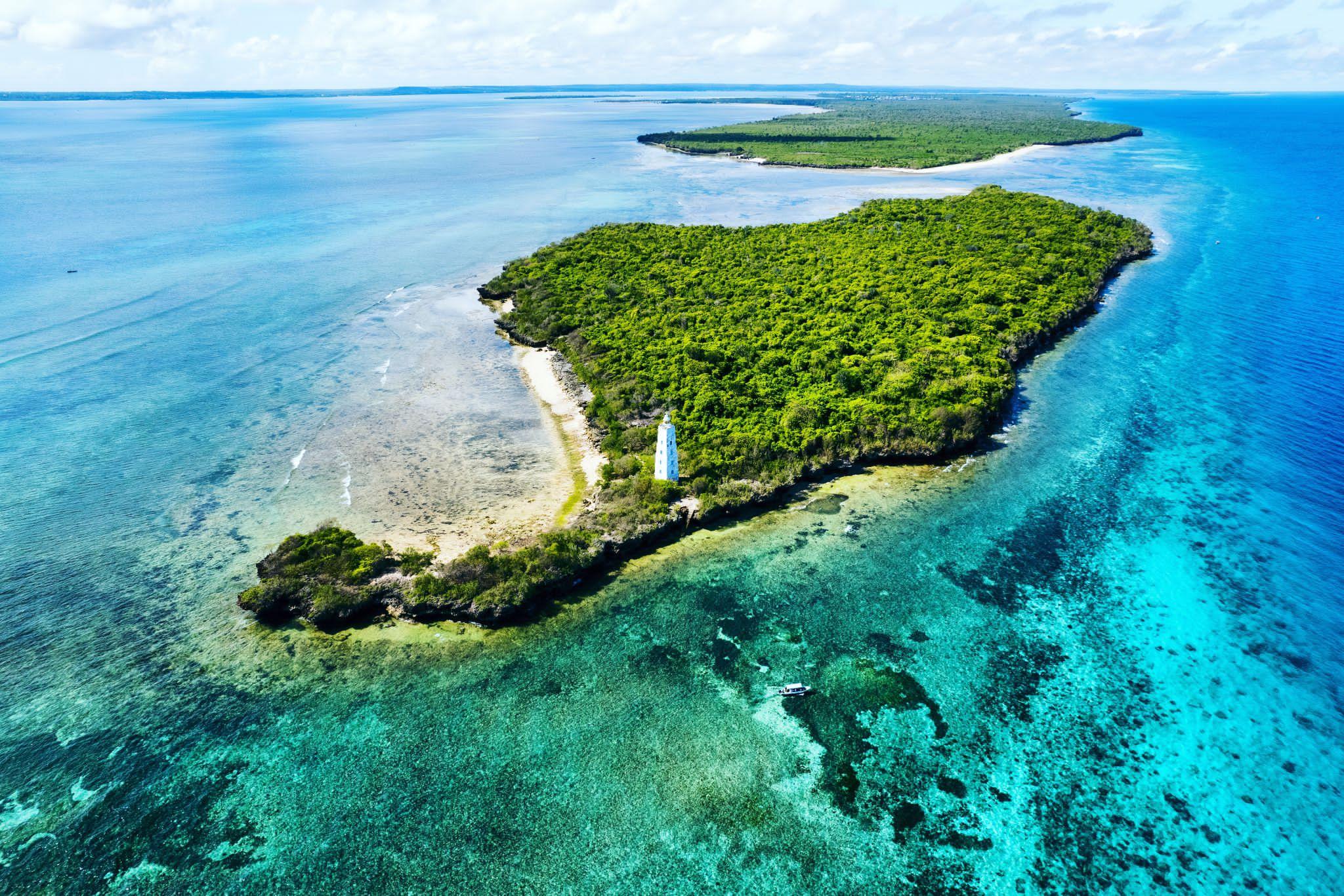
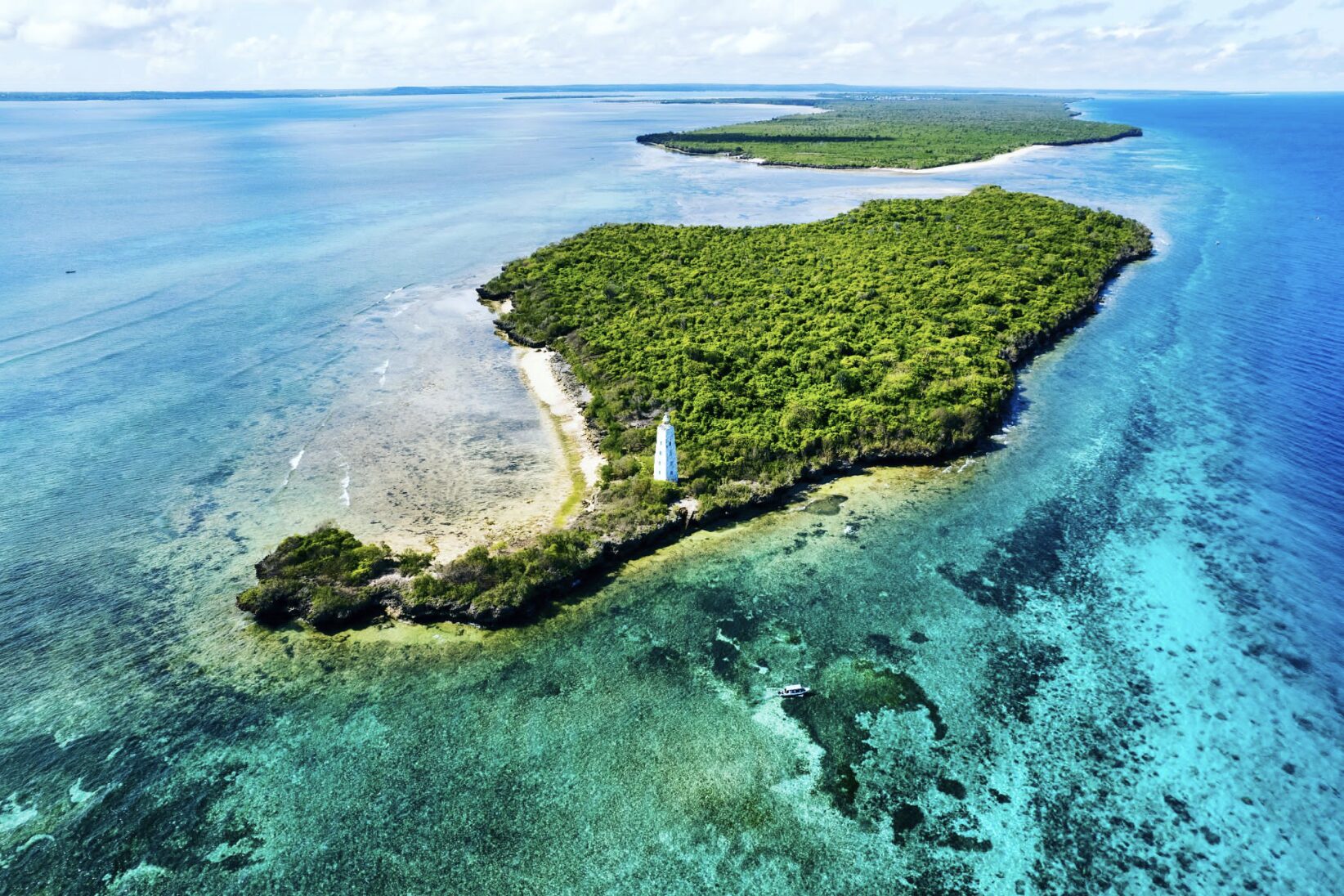
Tumbatu Island remains one of Zanzibar's most isolated inhabited islands, a 25-square-kilometre fragment of coral limestone lying 2 kilometres northwest of Unguja's coast.

Read more

Fewer than 3,000 people live here, spread across four fishing villages governed by traditional Islamic law and centuries-old customs that prohibit alcohol and limit tourist infrastructure. The island's isolation preserved its fringing reefs from industrial fishing and resort development, leaving shallow lagoons and coral gardens largely intact when neighbouring atolls succumbed to blast fishing in the 1990s. Tumbatu island snorkeling takes place within a community-managed marine conservation area established in 2008, where local elders enforce no-take zones and rotate fishing grounds to allow reef recovery. The $22 conservation fee funds village patrols and supports the island's only primary school.

The island's underwater topography consists of three distinct zones: the shallow western lagoon with branching Acropora corals in depths of 1 to 3 metres, a mid-reef plateau at 5 to 8 metres where brain corals and sea fans dominate, and a drop-off at 15 metres along the island's northern edge. Most tumbatu island snorkeling tours remain in the lagoon and plateau zones, where visibility averages 15 to 25 metres during the dry season and water temperatures hold steady between 26 and 28 degrees Celsius. The coral assemblages here include 47 recorded species, with healthy populations of parrotfish, surgeonfish, and butterfly fish that indicate stable ecosystem function. Sea turtles nest on the island's southeastern beaches between January and March, and juvenile hawksbills are frequently seen grazing on algae near the reef crest.

Access to Tumbatu is tightly controlled by village leadership, who permit only licensed operators with community agreements to land dhows on the western shore. The island has no jetty, so visitors wade ashore at low tide and walk 200 metres across tidal flats to the snorkeling launch points. This arrangement limits daily visitor numbers to roughly 40, preventing the crowding seen at Mnemba Atoll and Chumbe Island. The absence of motorised boats inside the lagoon reduces noise and sediment disturbance, allowing reef fish to maintain natural feeding patterns. Operators departing from Nungwi or Kendwa villages use traditional ngalawa outrigger canoes or motorised dhows for the 45-minute crossing, timing arrivals to coincide with the incoming tide when water clarity peaks. The conservation model here has drawn attention from marine biologists studying community-led reef management, with published studies noting higher coral cover percentages on Tumbatu's western reefs compared to unmanaged sites along Unguja's northern coast.

The island's cultural protocols require modest dress outside the water and prohibit photography of residents without explicit permission. Visitors are expected to respect prayer times and avoid the island's interior settlements, which remain largely off-limits to non-residents. These restrictions, while uncommon in mainstream beach tourism, reflect Tumbatu's status as one of Zanzibar's few islands where traditional governance still holds primacy over commercial interests. The combination of enforced conservation, limited access, and intact reef structure makes the site a working example of small-scale marine stewardship in a region where such models are rare.

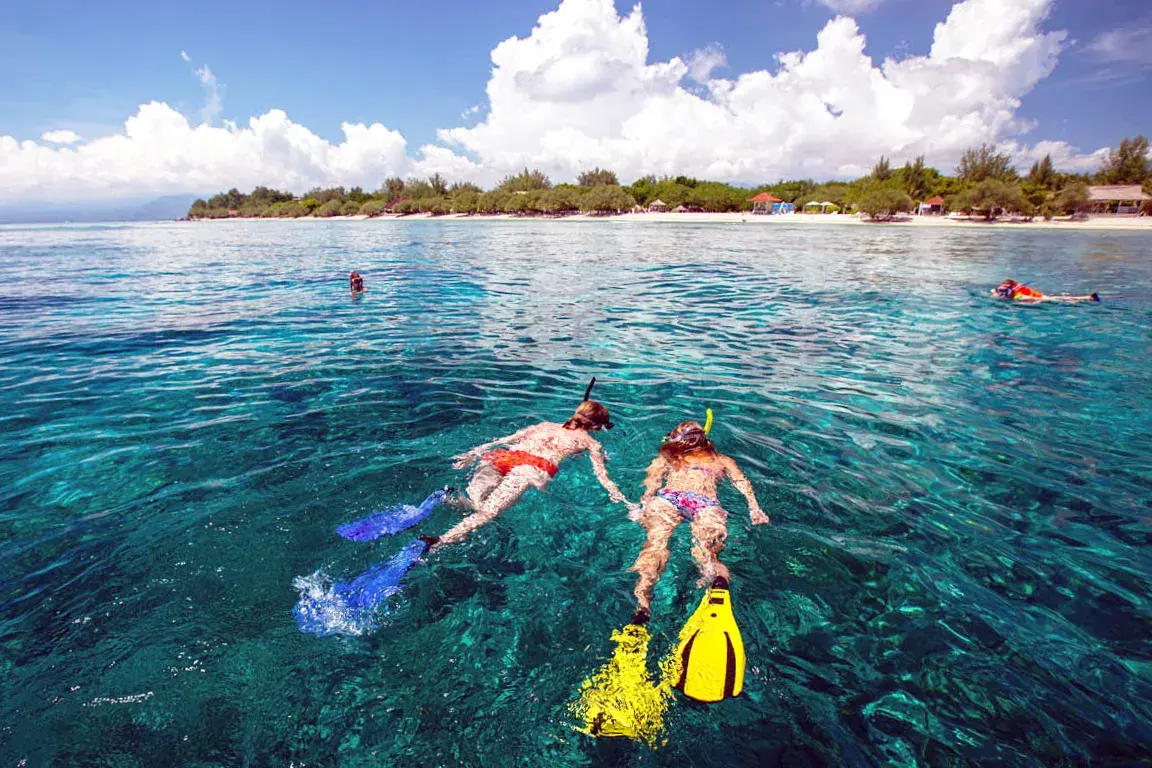
"Tumbatu's isolation preserved its fringing reefs when neighbouring atolls succumbed to blast fishing in the 1990s."
Your experience

What a Tumbatu Island Snorkeling tour day looks like

A step-by-step walkthrough of Tumbatu Island Snorkeling tickets — what you'll see, how long each stage takes, and the details that matter.

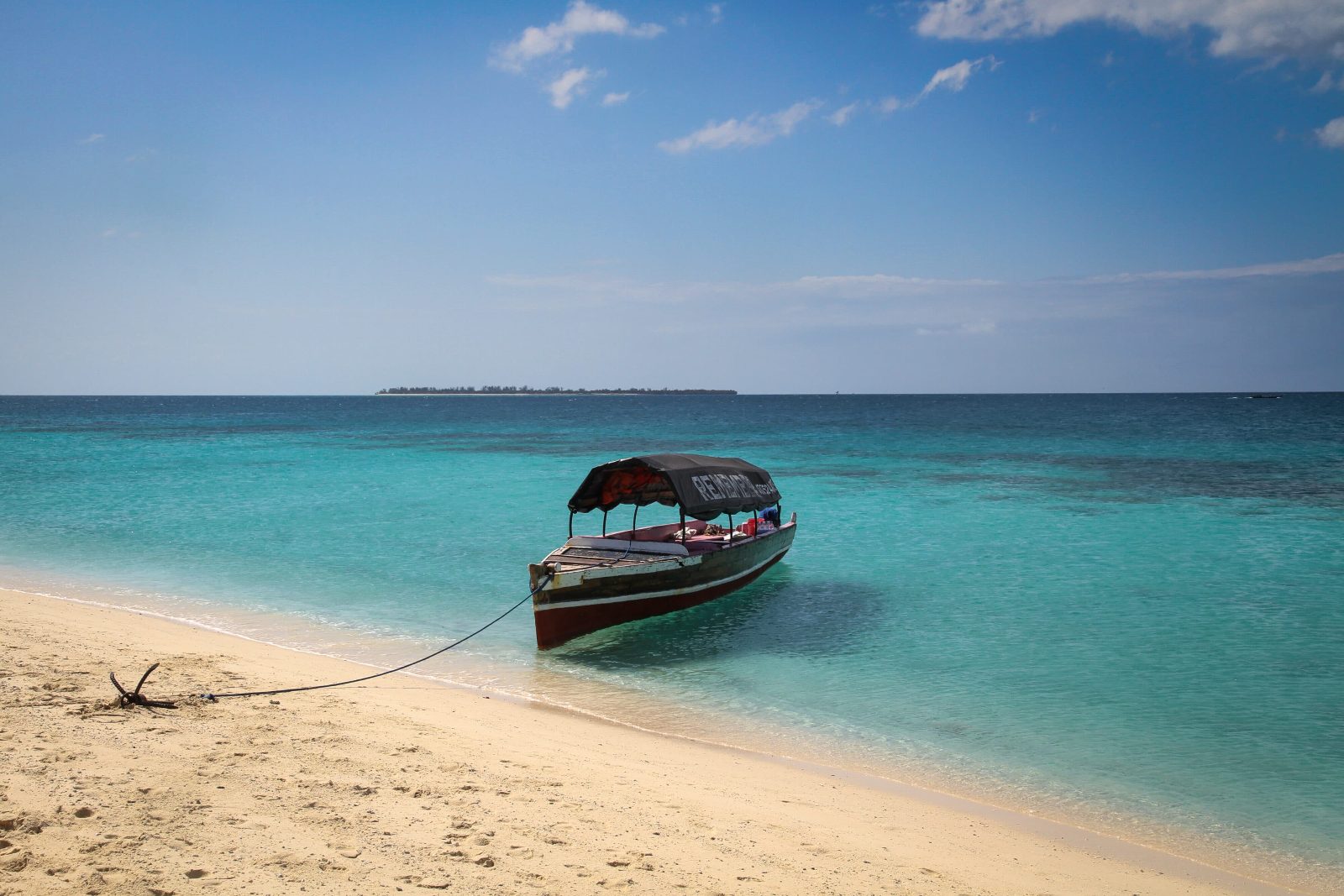
You depart Nungwi at 08:30, boarding a wooden dhow with bench seating and a canvas awning. The crossing takes 45 minutes, the boat cutting northwest past Mnemba's tourist flotilla before entering open water. Tumbatu's low silhouette appears as a line of palms and coral-stone houses.

Read more

The crew beaches the dhow on a shallow sandbar at low tide, and you wade ashore carrying your snorkel gear.

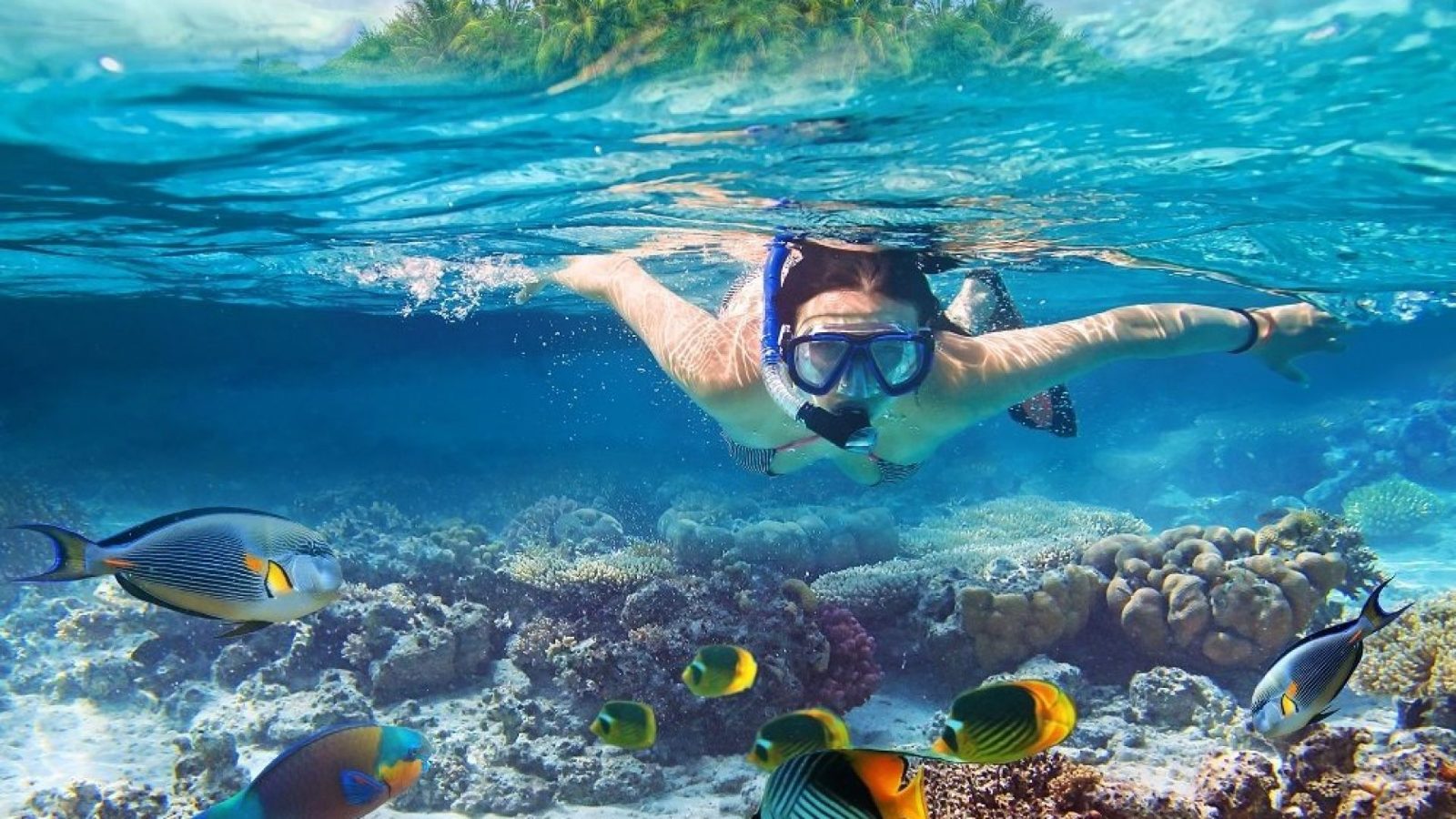
The guide leads you 200 metres across tidal flats to the lagoon's edge, where the water deepens from ankle to chest height within 10 paces. You fit your mask and enter the shallows. Within seconds, the bottom transforms into a field of staghorn and table corals, their branches hosting schools of damselfish and wrasse. Visibility stretches 20 metres, the sunlight refracting through ripples overhead. You drift over brain corals the size of truck tires, pausing as a hawksbill turtle surfaces for air 5 metres ahead before diving back toward the algae beds.

The guide points out a lionfish hovering near a coral outcrop, its venomous spines splayed. You follow the reef's contour toward deeper water, where the coral plateau drops to 6 metres and the current picks up slightly. Parrotfish graze on algae, their beaks scraping audibly. After 40 minutes, you return to the shallows and rest on the beach under a baobab while the crew prepares tea and coconut. The dhow departs at 11:00, catching the outgoing tide back to Nungwi.

Your experience at Tumbatu Island Snorkeling
Frequently asked

Frequently asked questions about tumbatu island snorkeling tours

What is the entrance fee for tumbatu island snorkeling?

The conservation and community entry fee is 22 USD per person, typically collected by your guide.

Are there opening hours for the island?

Tumbatu Island is accessible daily from 08:00–17:00, though boat access depends on tidal conditions.

How do I book tumbatu island snorkeling tickets?

Tickets can be booked through reputable tour operators in Nungwi or Kendwa, ensuring entry permissions are handled.

Is the island accessible for non-swimmers?

Participation requires basic swimming skills due to the open-water nature of the reef locations.

When is the best time for tumbatu island snorkeling?

The best arrival window is 08:00–12:00, when low tide offers the best visibility and shallow coral access.

Can I bring my own snorkeling gear?

Yes, you are welcome to bring your own gear, though most tumbatu island snorkeling tours provide sanitized equipment.

What should I wear for my tumbatu island snorkeling tour?

Please wear modest clothing that covers your shoulders and knees to show respect for the local Watumbatu culture.

Are there restaurants on the island?

There are no tourist restaurants; most tours include fruit and refreshments served on the boat.

How do I get to the island for snorkeling?

Access to Tumbatu island snorkeling is exclusively by boat, departing from the northern beaches like Nungwi or Kendwa.

Do I need permission to visit the island?

Yes, the island is a self-governing community; your tour operator secures the necessary access from the village elders for your trip.

Keep exploring

More Tumbatu Island Snorkeling tours & experiences

Nearby cities & day trips
Nungwi
30-40 min boat ride from the north